
Stueeken Cockfighting – Traditional Matches And Rooster Breeds
Stueeken Cockfighting is a topic that brings together traditional rooster competitions, historical match formats, distinctive gamefowl breeds, and the development of online event coverage. Cockfighting has long been associated with regional customs in several parts of Asia, although its legal status and cultural significance vary widely. This guide examines the origins of these traditions, the characteristics of different rooster breeds, and the importance of evaluating digital content responsibly. Readers can also visit the Stueeken homepage to identify the website associated with the requested name.
Understanding Stueeken Cockfighting And Its Background
Traditional cockfighting has appeared in historical records and cultural accounts across multiple regions. Its development reflects differences in breeding practices, local customs, and attitudes toward competitive animal activities.
Historical Origins Of Rooster Competitions
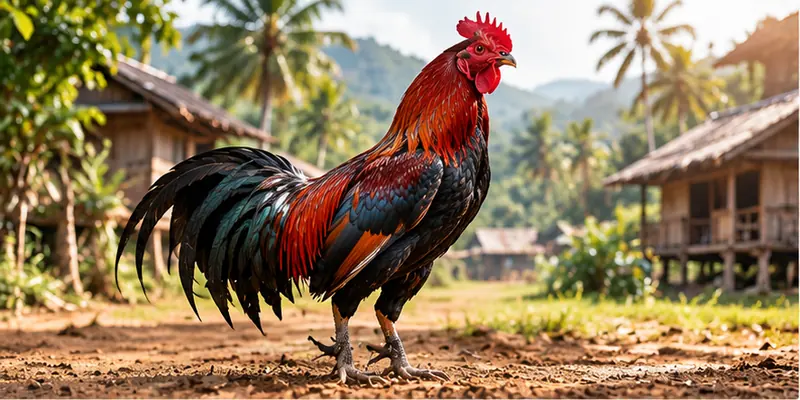
Roosters have held symbolic importance in agricultural communities for centuries. Their distinctive appearance, territorial behavior, and association with rural life contributed to their presence in various ceremonies and traditional gatherings.
Historical cockfighting events became especially recognizable in parts of Southeast Asia, where different communities developed their own traditions and terminology.
Today, discussions about Stueeken Cockfighting can be understood within this broader historical context rather than as confirmation of an active competition service.
Modern audiences increasingly access information about traditional rooster events through documentaries, archived photographs, educational articles, and cultural research.
Popular Gamefowl Breeds And Physical Features
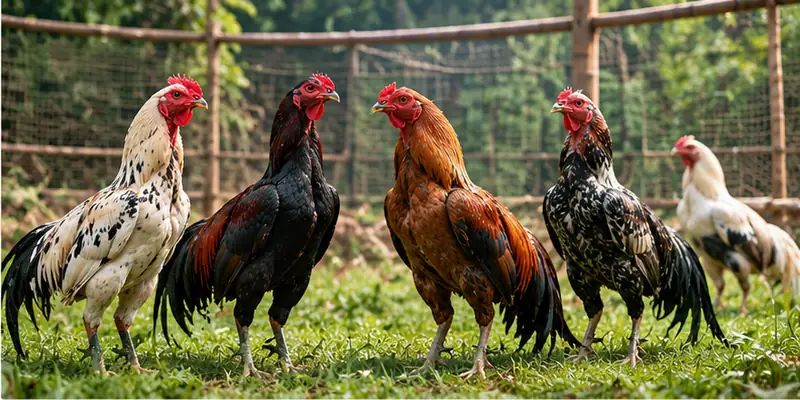
Different gamefowl breeds are known for distinctive body structures, plumage, and regional breeding histories.
| Rooster Breed | Distinctive Features | Historical Association |
|---|---|---|
| Asil | Muscular frame, compact body | South Asian traditions |
| Shamo | Upright stance, long legs | Japanese breeding heritage |
| Thai Gamefowl | Athletic build, varied plumage | Southeast Asian traditions |
| American Gamefowl | Defined posture, colorful feathers | American breeding history |
| Malay | Tall body, strong neck | Asian poultry heritage |
These characteristics are useful for identifying breeds in historical records and agricultural exhibitions. They do not establish an animal’s suitability for fighting.
Traditional Match Formats And Cultural Significance
Descriptions of cockfighting differ depending on the country, historical period, and source. Understanding these distinctions helps readers interpret articles and archived material without confusing cultural documentation with contemporary legal events.
Traditional Rooster Match Categories
Some historical sources distinguish between unarmed rooster contests and events involving artificial attachments. These practices carry significant animal welfare concerns and may be prohibited under local law.
Other material focuses on poultry exhibitions, breed preservation, and cultural history without involving animal combat.
For readers researching Stueeken Cockfighting, it is important to distinguish among these types of content. A documentary discussing historical competitions should not be mistaken for an invitation to participate in a live event.
How Historical Events Were Organized
Traditional venues sometimes included circular enclosures, designated observation areas, and community seating. Event organization varied across regions, reflecting local customs and available facilities.
Historical accounts may refer to several organizational elements:
- Venue structure: The physical arrangement of the gathering space.
- Regional customs: Local traditions influencing event presentation.
- Breed identification: The historical classification of participating birds.
- Event documentation: Records, photographs, and written descriptions.
- Community involvement: The social context surrounding traditional gatherings.
Understanding these features offers cultural insight while avoiding the promotion of harmful activities.
Understanding Archived Match Information
Archived footage and historical event descriptions may not accurately represent current conditions.
For example, a video uploaded recently might depict an event recorded many years earlier. Its publication date therefore does not necessarily establish when the depicted activity occurred.
The safest approach is to verify the original source, recording date, and geographic context before drawing conclusions.
Online Cockfighting Content And Responsible Research
Digital platforms have made information about traditional rooster competitions easier to encounter. However, online material differs considerably in quality, accuracy, and legitimacy.
Evaluating Online Content And Website Information
Readers examining Stueeken Cockfighting should approach search results carefully, particularly when pages claim to offer live broadcasts, exclusive event access, or associated applications.
A reliable evaluation process includes several considerations.
- Website identity: Confirm that the domain corresponds to the organization being described.
- Publisher transparency: Look for identifiable ownership and appropriate contact information.
- Content accuracy: Compare important claims with reliable independent sources.
- Publication history: Check when information was originally published or updated.
- Security awareness: Avoid unverified downloads and suspicious requests for personal information.
These measures are particularly important when similarly named websites operate in unrelated industries.
Understanding Legal And Animal Welfare Issues
Animal welfare is a central consideration in modern discussions of cockfighting.
The activity is illegal or restricted in numerous jurisdictions, although the precise rules differ internationally. Regulations may address animal cruelty, public events, gambling, transportation, and related activities.
Educational research should therefore distinguish between historical documentation and the organization of live animal fights.
There are several humane alternatives for those interested in rooster breeds, including poultry exhibitions, heritage breeding programs, agricultural museums, and educational documentaries.

Accessing Educational Content Across Devices
Users frequently research historical sports and cultural subjects on smartphones, tablets, and desktop computers.
A well-organized informational resource should provide clear navigation, readable text, reliable references, and appropriate image descriptions.
When evaluating content associated with Stueeken Cockfighting, readers should prioritize websites offering transparent sourcing and accessible educational material.
Conclusion
Stueeken Cockfighting provides a useful search topic for examining traditional rooster competitions, regional customs, gamefowl breeds, and historical event documentation. Understanding these subjects requires attention to reliable sources, changing legal standards, and animal welfare. Readers interested in this cultural history can benefit from breed exhibitions, documentary material, and responsible research rather than participation in harmful animal fighting activities.